Drive Thru Systems: The 2026 Guide to Faster Lanes
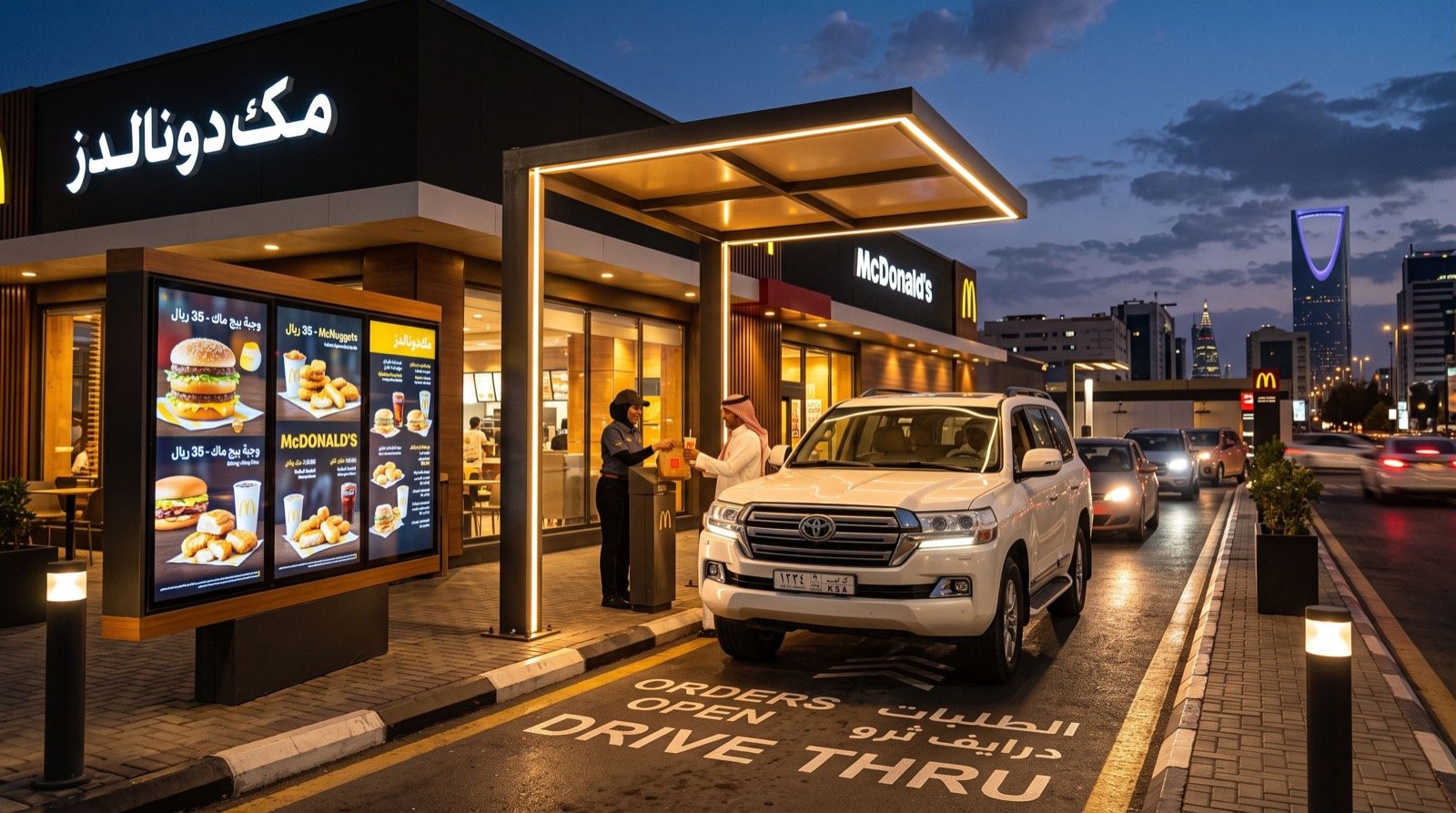
The drive-thru lane is now the beating heart of quick-service dining. In many restaurant brands, the window handles the majority of orders, which means the speed and accuracy of your Drive Thru Systems directly decide daily revenue. In 2026, operators who treat the lane as a technology platform, not a speaker on a pole, are pulling far ahead of the competition.
This guide takes an operator’s view. We will unpack the components that make a modern lane fast, the metrics that matter, and a realistic path to upgrade without closing your doors.
Why Drive Thru Systems Decide Profit
A drive-thru is a race against the clock. Every extra second at the order point multiplies across hundreds of cars a day. Industry benchmarks tracked by trade publications such as QSR Magazine show that shaving even a few seconds off average service time can lift car counts noticeably during the lunch rush.
Accuracy matters just as much as speed. A wrong order forces a car back, stalls the entire lane, and burns the goodwill you worked to earn. Great systems attack both problems at once.
The Three Pillars of a Fast Lane
- Clear audio so orders are heard right the first time.
- Accurate order display that confirms items on a screen.
- Timing analytics that reveal exactly where cars stall.
Anatomy of a Modern Drive Thru
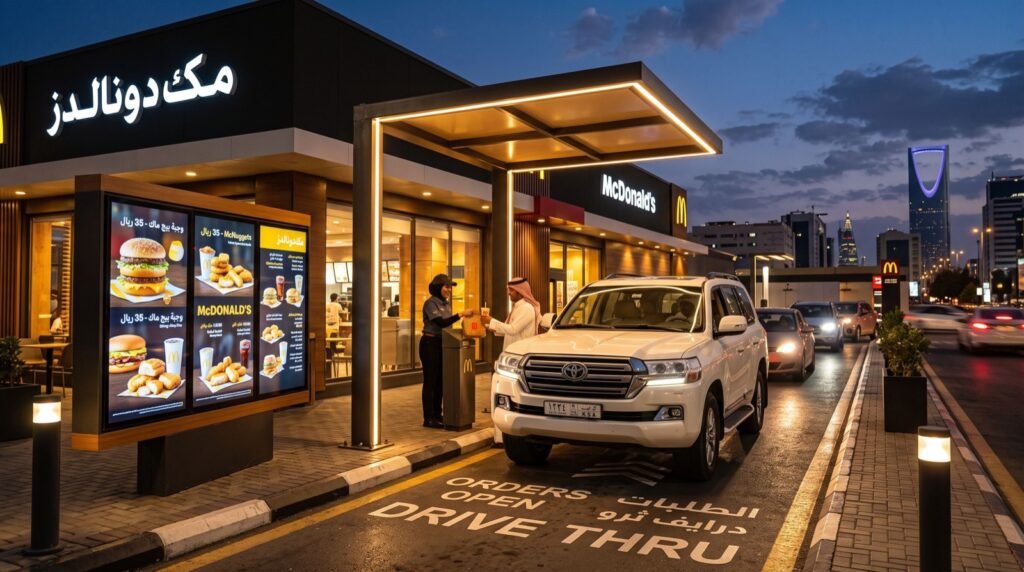
Today’s lane is a connected ecosystem. Each piece feeds data to the next, giving managers a live picture of performance from the menu board to the pickup window.
Communication and Audio
Noise-cancelling headsets and weatherproof speakers ensure the crew hears orders clearly, even on a windy day. Clear audio cuts repeats, and fewer repeats mean a faster line.
Digital Menu Boards
Outdoor displays update pricing and promotions instantly and adjust by daypart. A breakfast board at 7 a.m. becomes a lunch board at 11 a.m. with no staff effort.
Order Timing and Analytics
Sensors track each car from arrival to departure. Managers see which station causes delays and can coach the team with real numbers instead of hunches.
| Component | Primary Job | Impact on Speed |
|---|---|---|
| Headset system | Clear two-way audio | Fewer order repeats |
| Digital menu board | Instant pricing updates | Faster decisions |
| Order confirmation display | Visual accuracy check | Fewer remakes |
| Timing analytics | Measure each stage | Targeted fixes |
Managing the Line Inside and Out
Drive-thru thinking does not stop at the curb. The same flow discipline applies indoors. A proven queue management system in pakistan helps restaurants organise counter pickups, mobile-order collection, and dine-in waits so the whole building moves in rhythm. When the lane and the lobby share one timing philosophy, the entire operation speeds up.
How Do You Upgrade Without Closing?
Operators fear downtime, and rightly so. A phased plan keeps the lane open while you modernise. Here is a sequence that limits disruption and proves value fast.
- Benchmark today. Record current service time and accuracy.
- Start with audio. New headsets deliver an immediate, cheap win.
- Add confirmation screens. Cut remakes with a visual check.
- Install timing analytics. Let the data guide the next step.
- Optimise staffing. Match crew positions to the real bottleneck.
For installation, calibration, and ongoing maintenance, partner with quality service providers who understand both the hardware and the kitchen workflow behind the window.
A Day in the Life of an Optimised Lane
To see why these systems matter, follow a single restaurant through one lunch rush. At 11:30 a.m. the cars begin to stack. With a legacy setup, the crew strains to hear orders over traffic noise, mishears a drink, and remakes it at the window. Each remake freezes the lane, and by noon the line spills onto the street, scaring away drivers who simply keep going.
Now replay the rush with modern drive thru systems in place. Noise-cancelling headsets deliver every word clearly, the confirmation screen lets the customer catch a mistake before the car moves, and the timing dashboard flags the pickup window as the slow point. The manager shifts one team member to bagging, and the lane keeps gliding. By the end of the shift, car count is up and complaints are down.
The Metrics That Matter Most
You cannot improve what you do not measure. Smart operators watch a tight set of numbers rather than drowning in data. The essentials are average service time per car, order accuracy rate, total cars per hour, and the time lost between stations. Track these weekly and the right investment becomes obvious.
Weather, Power, and Reliability
Outdoor equipment lives a hard life. Sun, dust, and sudden storms punish cheap hardware, and a dead speaker at peak hour is a revenue emergency. Choose weatherproof components rated for your climate, keep a spare headset charged, and schedule preventive maintenance so a small fault never becomes a closed lane.
Common Mistakes to Avoid
Even good brands trip over avoidable errors. Watch for these traps as you plan your 2026 upgrade.
- Buying flashy menu boards before fixing poor audio.
- Ignoring staff training, so the new tools sit unused.
- Skipping analytics and guessing where delays happen.
- Forgetting weather-proofing for outdoor components.
Frequently Asked Questions
What is the single biggest speed factor in drive thru systems?
Clear audio. When the crew hears each order correctly the first time, repeats drop and the whole lane accelerates, which is why many operators upgrade headsets first.
Do digital menu boards really pay for themselves?
Often yes. Dayparting and instant promotions lift average ticket value, and the labour saved from manual price changes adds up quickly over a year.
Can small franchises afford modern drive thru systems?
Yes. A phased rollout lets a single location start with audio and confirmation screens, then add analytics as budget allows.
How do I measure if the upgrade worked?
Compare service time, order accuracy, and car counts against your pre-upgrade baseline. The timing analytics built into modern systems make this straightforward.
Speed Up Your Lane Today
In 2026, competitive quick service lives or dies at the window. Investing in modern drive thru systems, backed by smart queue management, turns your busiest lane into your most profitable asset. Review your current setup, benchmark your numbers, and start the upgrade that keeps every car moving.